



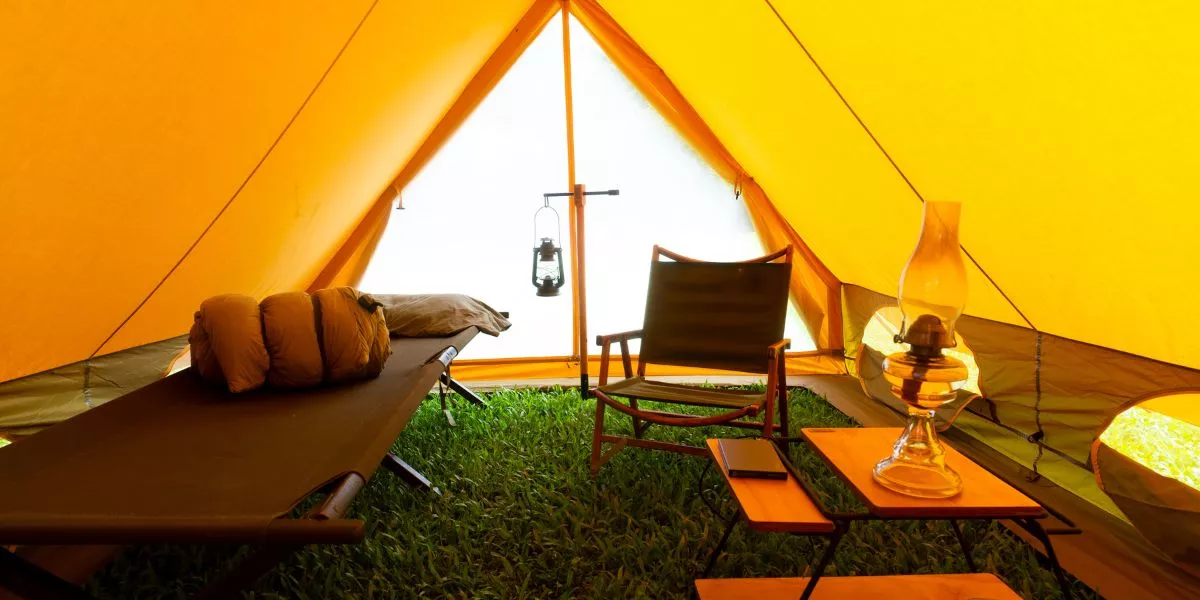
When selecting the ideal tent for your camping escapades, the process can seem overwhelming with the plethora of options available. Understanding your specific needs and the environment you'll be camping in is key to making a wise choice. Factors like tent size, weather resistance, weight, and setup convenience all play a crucial role in determining the best fit for your adventures. By carefully evaluating these aspects, you can ensure a comfortable and enjoyable camping experience.
Tent Size and Capacity
When selecting a tent size and capacity for your camping trip, consider the number of people who'll be sharing the tent. It's crucial to choose a tent that provides enough space for everyone to sleep comfortably.
If you have a group of four campers, for example, a tent labeled as a 'four-person tent' may be a bit snug once you factor in gear and personal belongings. In such cases, opting for a larger tent with a higher capacity can offer more breathing room.
Additionally, think about the activities you'll be doing inside the tent. If you plan to spend a lot of time hanging out indoors due to poor weather or bugs, a tent with a higher capacity than the number of campers might be beneficial. This extra space can provide room for playing cards, storing equipment, or simply relaxing comfortably.
Weather Resistance Features
Consider the tent's weather resistance features to ensure a comfortable and dry camping experience. When choosing a tent, look for materials with high waterproof ratings like polyurethane-coated fabrics or treated polyester. Seams should be sealed to prevent water seepage, and a rainfly can provide an extra layer of protection. Opt for a tent with a bathtub-style floor design that prevents water from pooling inside during heavy rain.
Additionally, check for a sturdy frame that can withstand strong winds without collapsing. Ventilation is crucial to reduce condensation inside the tent, so look for models with mesh panels and adjustable vents. Some tents come with built-in storm flaps to shield zippers and openings from rain and wind.
Lastly, consider the tent's ability to handle various weather conditions; a 3-season tent is versatile for spring, summer, and fall camping, while a 4-season tent is designed to withstand harsh winter conditions. By prioritizing weather resistance features, you can stay cozy and protected during your camping adventures.
Weight and Portability Considerations
Prioritize the ease of carrying and setting up your tent by considering its weight and portability. When selecting a tent for your camping adventures, opt for a lightweight option if you plan on hiking to your campsite or if you want to minimize the weight in your backpack. Look for tents made from lightweight materials like nylon or polyester to ensure easier transportation. Additionally, consider the tent's packed size to make sure it fits well in your backpack without taking up too much space.
Portability is key when choosing a tent, especially if you intend to move around during your camping trip. Pick a tent with a compact design that can be easily packed and carried from one location to another. Some tents come with convenient carrying cases or straps that make transportation a breeze. Remember, the easier it's to carry your tent, the more enjoyable your camping experience will be without the added hassle of lugging around a heavy and cumbersome shelter.
Setup Ease and Convenience
For a hassle-free camping experience, ensure that setting up your tent is quick and effortless. Look for tents that come with color-coded poles and clips to simplify assembly. Pop-up tents are also a great option for easy setup – you can have them ready in a matter of minutes. Consider choosing a tent with a freestanding design, allowing you to move and position it easily until you find the perfect spot.
Furthermore, investing in a tent with a simple and intuitive setup process can save you time and frustration, especially after a long day of hiking or exploring. Practice setting up your tent in your backyard before your camping trip, so you're familiar with the process and can troubleshoot any issues beforehand. Additionally, having fewer components to deal with can make the setup process much smoother.