



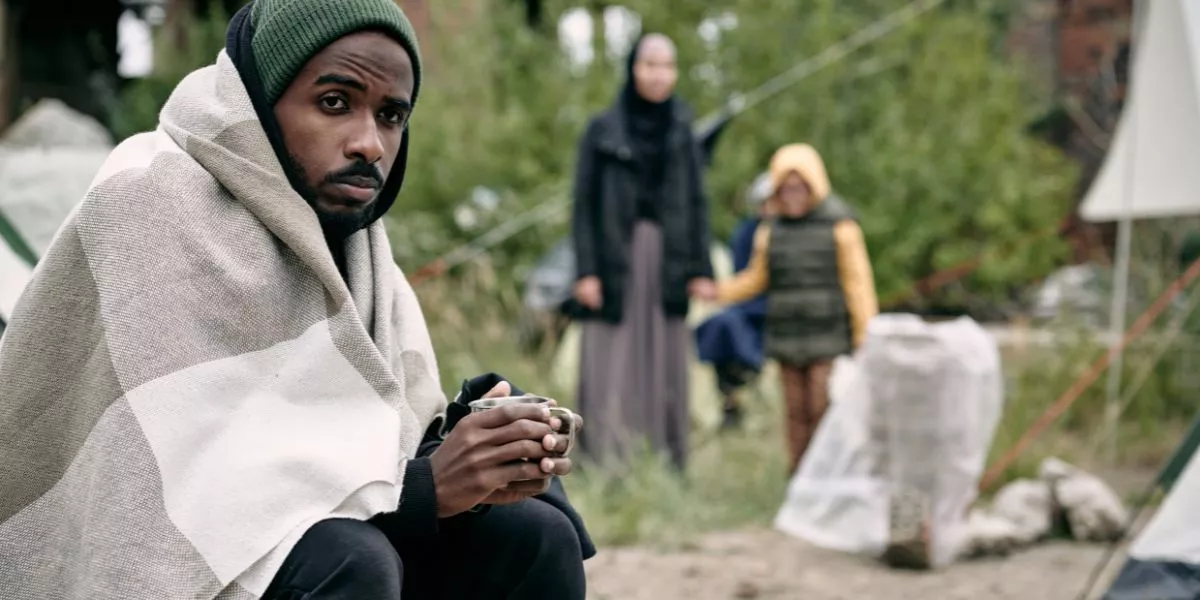
When braving the chilly outdoors for a camping adventure, ensuring your comfort in cold weather requires strategic planning and the right equipment. From insulating your sleeping arrangements to layering up effectively, there are various factors to consider. But, have you ever thought about the impact of your diet on staying warm during those frosty nights under the stars? A well-rounded discussion on camping comfortably in the cold might just shed some light on this unexpected aspect.
Essential Gear for Cold Weather Camping
When camping in cold weather, having the right gear is crucial for staying warm and comfortable throughout your trip.
The first item you need is a four-season tent designed to withstand harsh conditions. Look for a tent with a rainfly that extends close to the ground to prevent drafts and retain heat.
Inside the tent, a high-quality sleeping bag rated for low temperatures is essential. Opt for a bag that's insulated and has a hood to keep your head warm. Pair this with a sleeping pad to provide insulation from the cold ground.
Additionally, wearing moisture-wicking base layers will help regulate your body temperature and keep you dry. Layering with a fleece jacket and waterproof outer shell will provide added warmth and protection from the elements.
Lastly, don't forget insulated gloves, hats, and thick socks to keep your extremities warm. With the right gear, you can enjoy camping in cold weather comfortably and safely.
Setting Up Camp for Winter Conditions
To prepare your campsite for winter conditions, focus on creating a sturdy and insulated shelter to protect yourself from the cold. Start by choosing a flat area away from potential hazards like falling branches or snowdrifts. Clear the ground of any rocks or debris that could make sleeping uncomfortable or puncture your tent. Use a four-season tent designed to withstand harsh weather conditions, ensuring it's properly staked down to prevent it from blowing away in strong winds.
Additionally, consider setting up a tarp or footprint underneath your tent for extra insulation and protection from moisture. Surround your campsite with snow walls or use a windbreak to shield your tent from cold drafts. Make sure your tent is well-ventilated to reduce condensation inside, but also keep it sealed tight when temperatures drop to retain heat.
Staying Warm and Cozy at Night
For a comfortable night's sleep in cold weather, insulate your sleeping area with appropriate gear and clothing. Start by choosing a high-quality sleeping bag rated for low temperatures. Look for bags with down or synthetic insulation and consider using a sleeping bag liner for extra warmth. Additionally, use a sleeping pad to provide insulation from the cold ground and prevent heat loss. Opt for a pad with a high R-value for better thermal resistance.
Wearing the right clothing is crucial for staying warm at night. Layer up with moisture-wicking base layers, insulating mid-layers, and a thermal jacket or vest. Keep your extremities warm with wool socks, gloves, and a beanie. Avoid wearing cotton as it retains moisture and can make you colder. Remember to change into dry clothes before getting into your sleeping bag.
Lastly, heat up a water bottle and place it in your sleeping bag to provide extra warmth. Stay hydrated and have a high-energy snack before bed to fuel your body throughout the night. By insulating your sleeping area and wearing appropriate clothing, you can ensure a cozy and restful night's sleep in cold weather.
Tips for Enjoying Outdoor Activities in the Cold
Prepare yourself for outdoor activities in the cold by wearing appropriate clothing layers and staying hydrated throughout your adventure. Dressing in layers helps regulate your body temperature and provides flexibility as the weather changes. Start with a moisture-wicking base layer to keep sweat away from your skin, add an insulating layer like fleece or wool for warmth, and top it off with a waterproof and windproof outer layer. Don't forget a hat, gloves, and insulated footwear to protect extremities.
To fully enjoy your cold weather outdoor activities, plan ahead and check the weather forecast. Opt for activities that keep you moving like hiking, snowshoeing, or cross-country skiing to stay warm. Bring high-energy snacks to fuel your body and maintain your energy levels. Stay well-hydrated by drinking plenty of water throughout your adventure, even if you don't feel thirsty. Pack a thermos with a warm beverage to enjoy during breaks. Lastly, listen to your body and be prepared to seek shelter or head back if you start feeling too cold. With the right clothing, preparation, and mindset, you can have a fantastic time outdoors even in cold weather.